June 24, 2025
Events
Mother's Home took part in a public discussion on social services reform
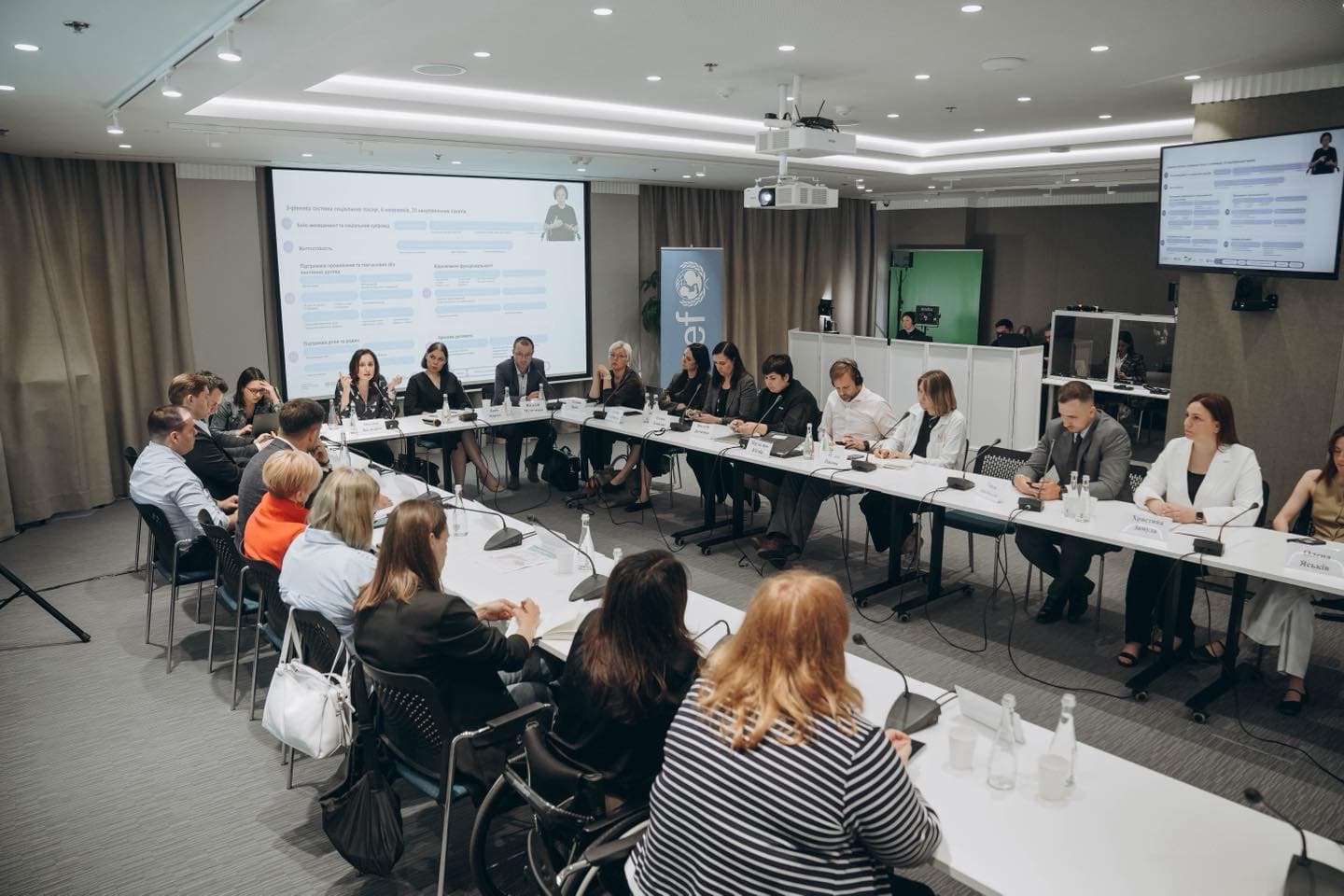
On June 24, the Mother's Home team joined the public discussion “Care Reform: Transforming Social Services in Ukraine,” organized by Ukraine's Ministry of Social Policy with support from UNICEF and the Center for Economic Recovery. The event brought together more than 2,500 participants from government, civil society, international organizations, and the expert community.
For an organization that works every day with women facing difficult circumstances, this discussion was an opportunity to be heard, listen to others, and help shape a new model of social support centered on the person, their dignity, needs, and circumstances.
Strategic changes presented by the Ministry
- From institutions to people: funding should move from maintaining facilities to purchasing specific services for specific people.
- A national purchaser: a unified mechanism is planned to procure social services with equal access for communities and providers.
- Three levels of access: social managers, resilience centers, and specialized service packages.
- A professional approach: social managers support each person from needs assessment through service delivery.
- Inclusion and family support: particular attention is given to children, families, people with disabilities, veterans, and people in crisis.
Why this matters to Mother's Home
We believe effective reform is not only about new funding mechanisms, but about a different philosophy of support: moving from support that merely sustains a person to support that enables recovery and integration.
It is essential that civil society organizations are heard. Independent providers have unique experience, the trust of their communities, and the flexibility to respond to new challenges. Mother's Home believes civil society must be a full partner in this transformation.
Our key proposals
1. Childcare as an integral part of social support
A woman in crisis or living temporarily in a shelter is often alone with her child. Without access to childcare, she has little chance to stabilize her life, study, or return to work.
We propose:
- recognizing childcare as part of social services for people receiving support;
- supporting alternatives such as micro-kindergartens and mobile play spaces;
- giving children from families in difficult circumstances priority access to preschool education.
2. Expanding the Municipal Nanny program for crisis groups
The program is currently inaccessible to many women who need it most, including single mothers, displaced women, and women in shelters.
We propose:
- expanding eligibility;
- allowing communities to co-finance municipal nanny services within crisis support packages;
- integrating the service into social support based on a social manager's decision.
3. Identifying and preventing relinquishment in maternity hospitals
Recording only completed relinquishments does not show the whole picture. Many can be prevented, but that work remains invisible, especially during wartime.
We propose:
- introducing a “relinquishments prevented” metric;
- requiring maternity hospitals to report quarterly on risks and measures taken;
- creating national response standards for cases where there is a risk of child relinquishment.
We thank the Ministry of Social Policy of Ukraine, UNICEF, and the Center for Economic Recovery for inviting us into the dialogue and remaining open to cooperation.
We encourage colleagues, partners, and everyone who cares to submit proposals by July 15. Together, we can make Ukraine's social services compassionate, accessible, and dignified.
Photo gallery