November 1, 2026
Activities
Social Workers' Day: small steps backed by a great deal of work
In 2023–2026, 79.8% of the families supported by the Mother's Home NGO team faced the risk of the child being removed from the family or given up by the mother.
Every case requires an in-depth look at the reason why a mother has found herself on the verge of losing her child. What prevents her from caring for her baby? What support is missing? What can she already do, and what does she need to learn? The answers shape the help that the team builds together with the woman.
For our team, this means working every day on the causes of a family crisis and looking for solutions that will help mother and child stay together safely.
The first days: restoring safety
Losing a home, having no income, or experiencing domestic violence pushes a woman into a state of constant exhaustion. The brain works in survival mode, dulling her sensitivity to her child's needs. When a woman is constantly looking for a place to spend the night and something to feed her child, it can be hard for her to focus, respond calmly to crying, and notice what her baby needs. That is why the first days at the center are devoted to safety and regaining strength.
Support begins with meeting basic needs: a place to live, food, warmth, hot water, hygiene products, and the chance to rest. If needed, the team helps arrange medical care.
During this time, specialists get to know the family, observe the condition of mother and child, and determine what needs to be done immediately. Early difficulties with childcare call for attention and help. To understand a woman's abilities, it is important to see how she copes once she has rested and received explanations and practical support.
Everyday work: learning to care
Some of the women who come to the center did not receive proper care from adults in their own childhood. They lack experience they can draw on as mothers. They have to master childcare, communication, and running a household while already caring for their own child.
Social workers help a mother recognize her baby's cues, feed the baby on time, take care of hygiene, set up a safe place to sleep, and play and talk with her baby. First they explain and show, then they do it together with her. Gradually, the mother does more and more on her own.
One explanation is often not enough. Specialists often have to return to a skill, look for a clearer way to teach it, and go over what didn't work. This takes patience, consistency, and the ability to notice progress.
The mother prepared everything for feeding on her own. She noticed that her child was tired. She calmed the baby without getting flustered. She asked for help in time. It is from such everyday actions that the ability to care for a child independently gradually develops.
Shared decisions: seeing the whole picture
Learning to care for a child goes hand in hand with solving the family's other problems. A woman may need psychological support, help restoring documents and applying for social benefits, legal aid, or help finding housing for the future. Unresolved issues affect her well-being and her ability to plan her life after leaving the center.
That is why the team works together. Social workers see the everyday life of mother and child and the changes in care. A psychologist helps work through emotions and difficulties in interacting with the child. A lawyer helps resolve legal issues. A social work specialist coordinates the support and cooperation with other institutions.
When discussing a situation, specialists compare their observations, clarify the causes of difficulties, and agree on next steps. It is important that recommendations are consistent, clear to the woman, and achievable at her current stage.
The mother herself takes part in setting goals. Together with her, the team discusses what needs to change, what responsibility she is ready to take on, and what help she still needs. The guiding principle remains the child's safety and the family's gradually growing independence.
A supportive team
This work requires professional knowledge, attentiveness, and emotional resilience. There are difficult conversations, broken agreements, and problems resurfacing that had seemed solved. It is important for specialists to be able to discuss their doubts, hear from colleagues, and find the next step together.
At Mother's Home, alongside responsibility and tension, there is room for mutual support, humor, and joy in seeing change — especially when a mother confidently does on her own what once required constant help.
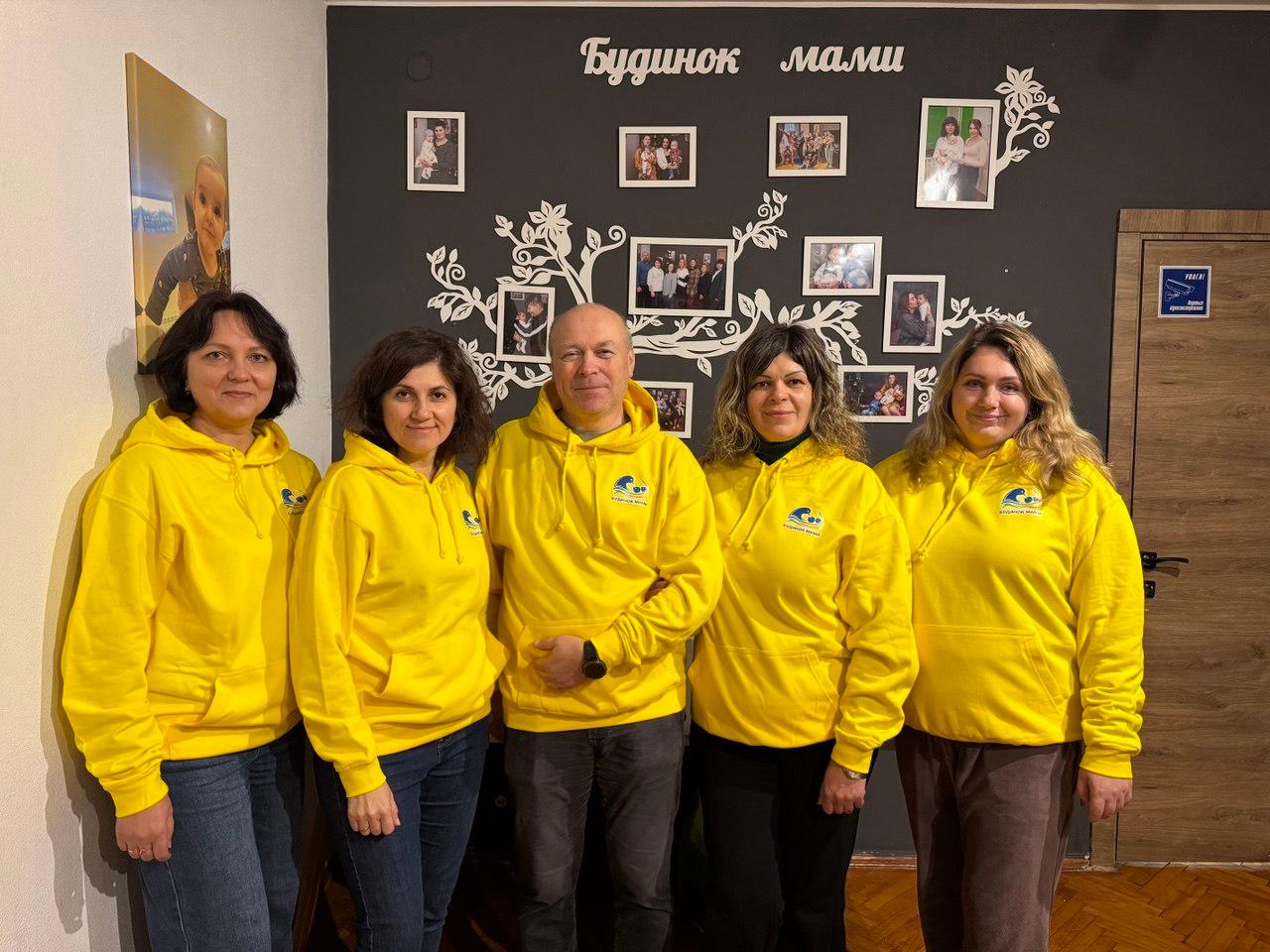
On Social Workers' Day, we thank our team for this daily work. We thank you for the patience to explain again, attention to the child's needs, respect for the woman, and readiness to support one another. Small steps become possible thanks to your knowledge, time, and effort — and to the work of the mothers themselves, who are learning to care for their children with more confidence.
Photo gallery