July 25, 2026
Activities
Cultural recreation as part of supporting women and children at Mother's Home
At Mother's Home, women with young children receive temporary accommodation and comprehensive social support. Creative activities, educational trips, and shared family leisure are an important part of this work.
Women facing difficult life circumstances spend long periods focused on resolving urgent housing, financial, legal, and family problems. Because of a constant lack of time and resources, many have been unable to visit such places or attend such events, so recreation and development have always taken a back seat.
Moreover, because of their experience of institutional upbringing, a closed environment, or their parents' antisocial lifestyles, many mothers never had an example of healthy family life. They often do not even know about these forms of leisure or consider them an unattainable indulgence, without realizing how important shared experiences are for a child's balanced development and for restoring their own emotional balance.
Organized activities break down these barriers and create entirely new perspectives on life. They show women that caring for their psychological and emotional well-being through creativity and safe entertainment with their young children is not a luxury, but a healthy norm and an effective way to strengthen the bond between mother and child. These forms of leisure help fill gaps in past experience, reduce social isolation, develop useful skills, and take a confident step toward an independent, fulfilling life.
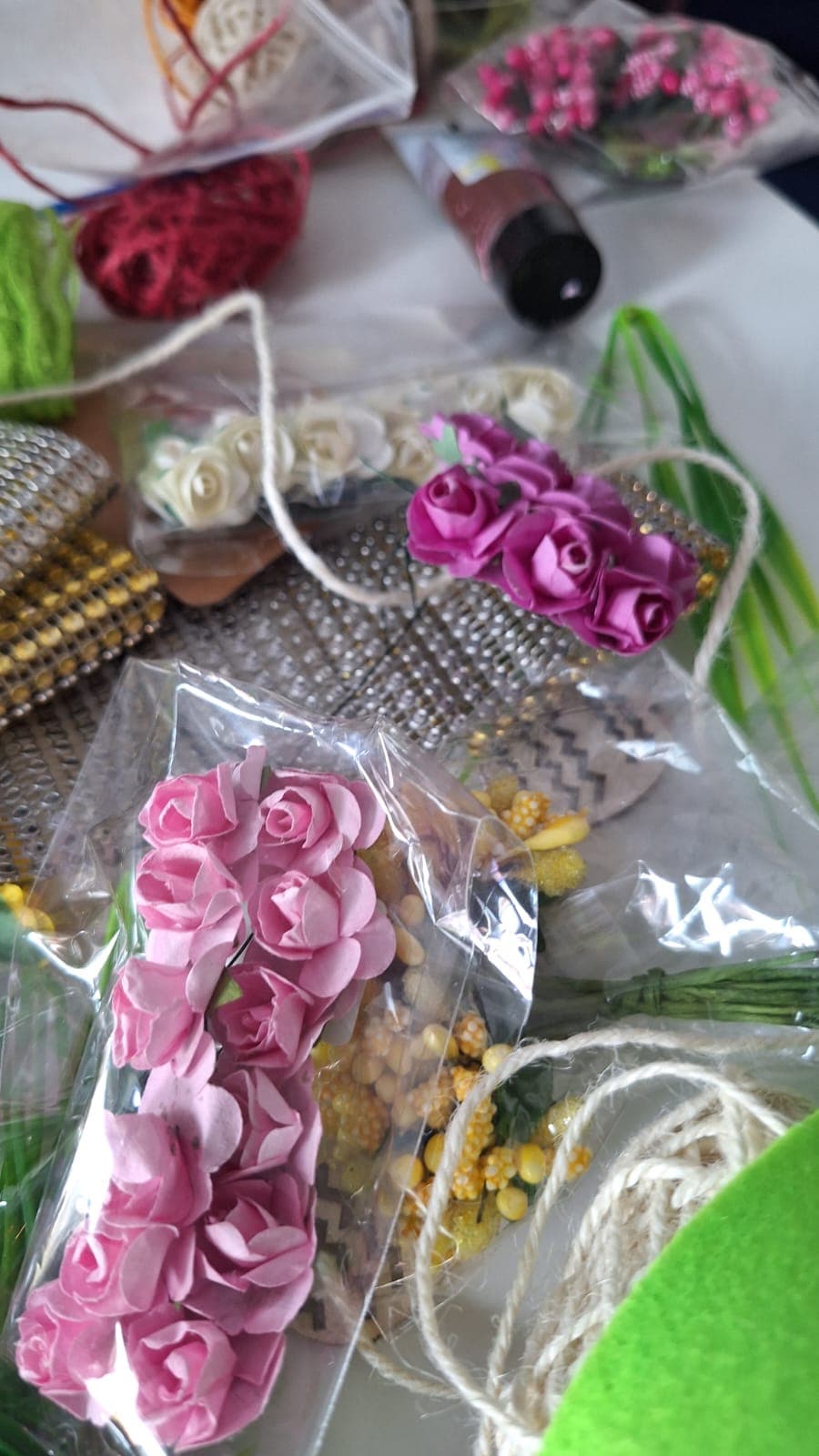
The center regularly holds creative activities where mothers make paper flowers and decorative soap, paint T-shirts using their own designs, create paintings, and make keepsakes featuring their children's handprints and footprints. Participants choose the materials, colors, and method themselves, learning to make decisions, finish what they have started, and see the tangible results of their efforts. The creative process helps them concentrate, shift their attention away from everyday problems, and express their emotions in an appropriate and safe way.
Some activities have a psychosocial focus and help women recognize their own emotions, better understand their state, and find ways to cope with tension. During these meetings, they develop the ability to talk about their feelings, ask for help, and respond more calmly to difficult situations.
Shared activities for mothers and children also play an important role. While drawing, playing, or completing simple creative tasks, women learn to notice their children's reactions, maintain their interest, help without intervening excessively, and celebrate the result together. This gradually creates a positive experience of interaction that some women lacked in their own childhoods.
The center also holds sewing classes. Mothers learn the basics of cutting and sewing. They can use these skills in everyday life, continue developing them, or turn them into a source of income. The women also helped sew textile items for shelters in kindergartens and schools. This gave them an opportunity to apply their new skills in practice and see the social value of their work.
Educational trips and visits to cultural and entertainment venues help women and children gradually move beyond their familiar surroundings. Mothers and their young children visited the M. M. Hryshko National Botanical Garden, the Kraina Mrii children's entertainment center, and Kyiv Zoo. The children observed animals, learned about nature, played, moved around, and explored new surroundings. These experiences support their cognitive, emotional, and physical development, while mothers learn to organize their children's leisure with consideration for the child's age, interests, and safety.
Learning also takes place outside formal activities. For example, during a visit to a seasonal market, mothers receive a practical financial literacy assignment. They prepare a shopping list, plan their expenses, compare prices, and choose fruit and vegetables within a set budget. These everyday exercises help them plan family expenses responsibly, identify priority needs, and make informed purchasing decisions.
Why these activities matter
All these activities share one goal: to help a woman establish healthy family routines and prepare for independent life with her child. Each activity has a specific purpose as part of social support. Creative activities support emotional well-being and develop initiative. Trips and excursions reduce social isolation and provide experience of family leisure.
Gradually, a woman learns to plan the family budget and leisure time, take her young child's needs into account, use the opportunities available in her community, develop her own interests, and maintain an emotional connection with her child. For children, this is an opportunity to discover the world alongside their mother, have age-appropriate experiences, and grow up in an environment where shared time, care, and development are a normal part of family life.
We thank everyone who helps us organize these activities. They broaden children's experiences and give families ready-made ideas for spending time together that they can use after completing social support and their stay at the center.
Photo gallery