July 10, 2026
Activities
Legal support for women with children: how it works at Mother's Home
Women who turn to Mother's Home often need assistance with several issues at once. Alongside finding safe housing and employment and caring for their children, they may have to address debts and enforcement proceedings, obtain a divorce and child support, or protect themselves from domestic violence. In some cases, women need legal assistance to restore their parental rights, bring a child home from residential care, or challenge the unjustified removal of a child.
Unresolved legal issues can directly affect a family's future. That is why legal assistance is an integral part of the social support services women receive at Mother's Home.
When a woman comes to the center, specialists assess her circumstances, including the documents available, decisions made by public authorities, her family situation, and any risks to the mother and child. Based on this assessment, they identify the issues requiring legal intervention and determine the appropriate sequence of steps.
Legal support at Mother's Home includes:
- replacing and obtaining documents for mothers and children;
- preparing applications, petitions, requests, complaints, and procedural documents;
- protecting the rights of women who have experienced domestic violence;
- resolving matters related to establishing paternity and obtaining child support;
- determining a child's place of residence and arrangements for each parent's involvement in the child's upbringing;
- representing a woman's interests in dealings with child welfare authorities, social services, health care providers, and other institutions;
- providing legal support in cases involving the return of a child to their mother and the preservation of the family.
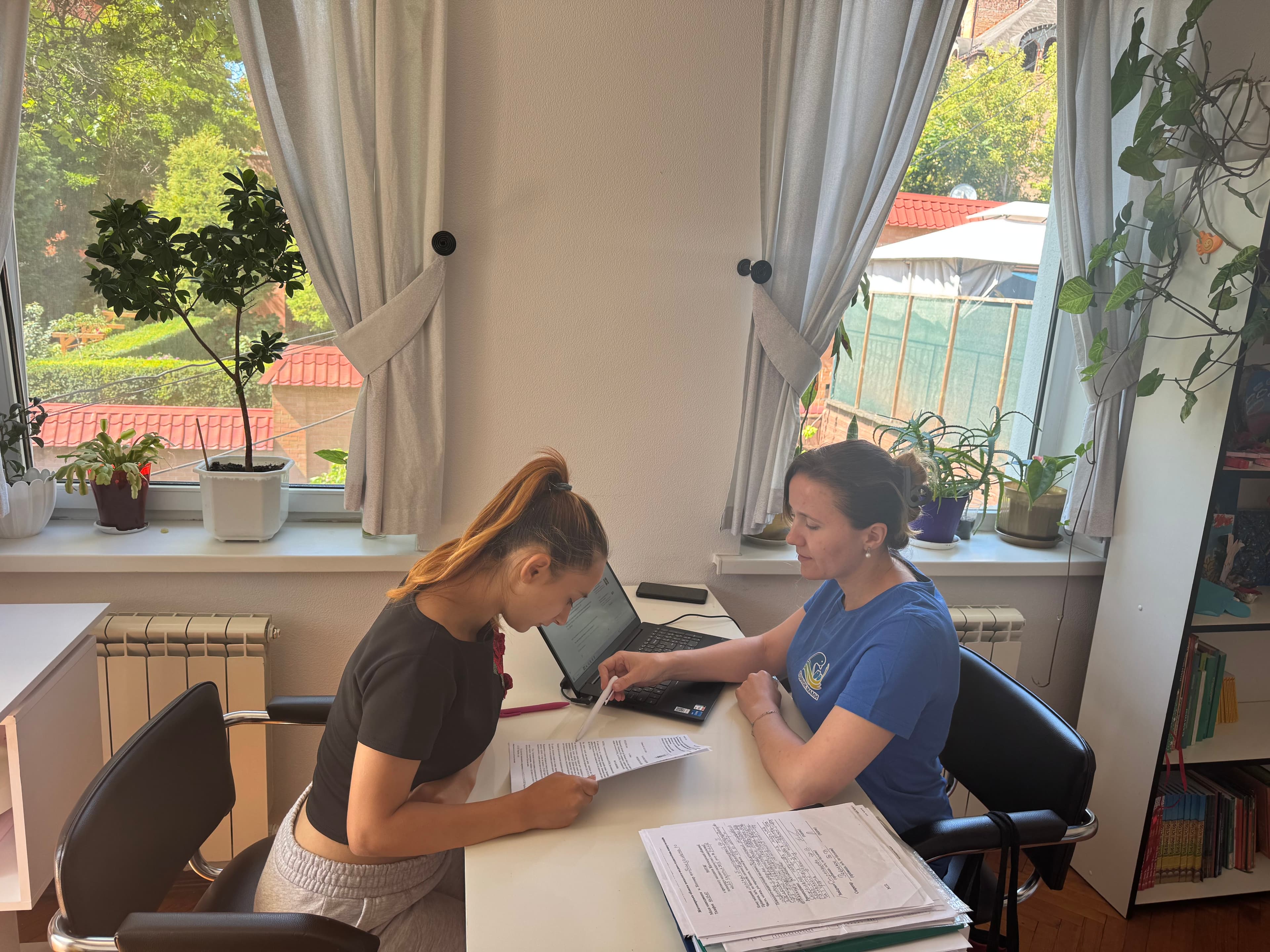
Specialists explain each woman's rights, the options available to her, and the legal implications of every decision. It is important that she understands the documents she signs, can approach relevant institutions independently, and is able to continue protecting her own interests and those of her child.
Legal work is coordinated with the social support team. Resolving a case often requires more than preparing an application or going to court. In many situations, it is necessary to demonstrate that the mother is creating a safe environment for her child, following medical advice, strengthening her parenting skills, and working to stabilize her income and housing situation. These outcomes are documented during the social support process and may be relevant to protecting the family's rights.
In one case, the Mother's Home team supported a woman whose older child had been removed while she was in the hospital awaiting the birth of her second daughter. During her stay at the center, she received social and legal support, followed her individual action plan, and prepared for the court proceedings. Specialists gathered the necessary documents and evidence demonstrating the changes in the family's circumstances. The court ruled in the mother's favor, and the team continues to support the case until the judgment is enforced.
Preventing the relinquishment of newborns
Another important area of our work is preventing the relinquishment of newborns. When a woman says that she intends to relinquish her child, the Mother's Home team conducts a comprehensive assessment of the reasons behind her decision. These may include a lack of housing or stable income, domestic violence, pressure from relatives or the child's father, missing documents, debt, difficulties accessing state benefits, health concerns affecting the mother or child, a lack of support, or uncertainty about where to seek help.
A lawyer becomes involved during the initial consultation. They explain the woman's rights and the legal implications of the steps she may take, review the family's documents and circumstances, and identify legal issues whose resolution could change the situation. Depending on her needs, this may involve obtaining documents and state benefits, securing child support, protection from domestic violence, resolving debt obligations, establishing paternity, or working with public authorities.
Based on this assessment, the team develops a support plan aimed at addressing the specific causes of the crisis. The woman receives information about available social services, the option of temporary accommodation with her child, and legal avenues for resolving her situation. This enables her to make an informed decision without pressure and with a clear understanding of the support available to help keep her child in the family.
The best interests of the child and their right to grow up in a safe family environment remain the guiding principles in every case. The Mother's Home team's role is to help each woman address the circumstances threatening family unity and equip her with the legal tools she needs to protect herself and her child.
Photo gallery